5 Questions for Kate Urbank, Site Director of Food Rescue US – DC

Kate Urbank didn’t wait for someone else to fix food waste in DC,
she rolled up her sleeves and launched a Food Rescue US site when she saw the need. Nearly a decade later, her team has rescued over 15 million pounds of food, and counting. In this Q&A, Kate shares how she built a thriving site from the ground up, what makes DC’s food rescue scene unique, and the everyday work (and joy) of keeping good food out of landfills and getting it to people who need it.
Q: How did you get started with Food Rescue US?
Kate: I first became acquainted with Food Rescue US back in 2012 when I lived in Stamford, Connecticut, and it was still called Community Plates. I became a volunteer for them when I learned about this easy way to self-schedule my volunteer hours. And I loved it. When I moved back to DC, I thought, ‘Well, let me go cover some food rescues because that’s a great way to reacquaint myself with this community.’
I was astonished to discover that there was no such program rescuing food in DC at the time. So I decided to bring Food Rescue US to the nation’s capital. It started off slowly, as things often do, but over almost nine years, we’ve grown to the point where we’ve rescued around 15 million pounds of food since October 2016.
Q: Tell us about the Food Rescue US – DC site
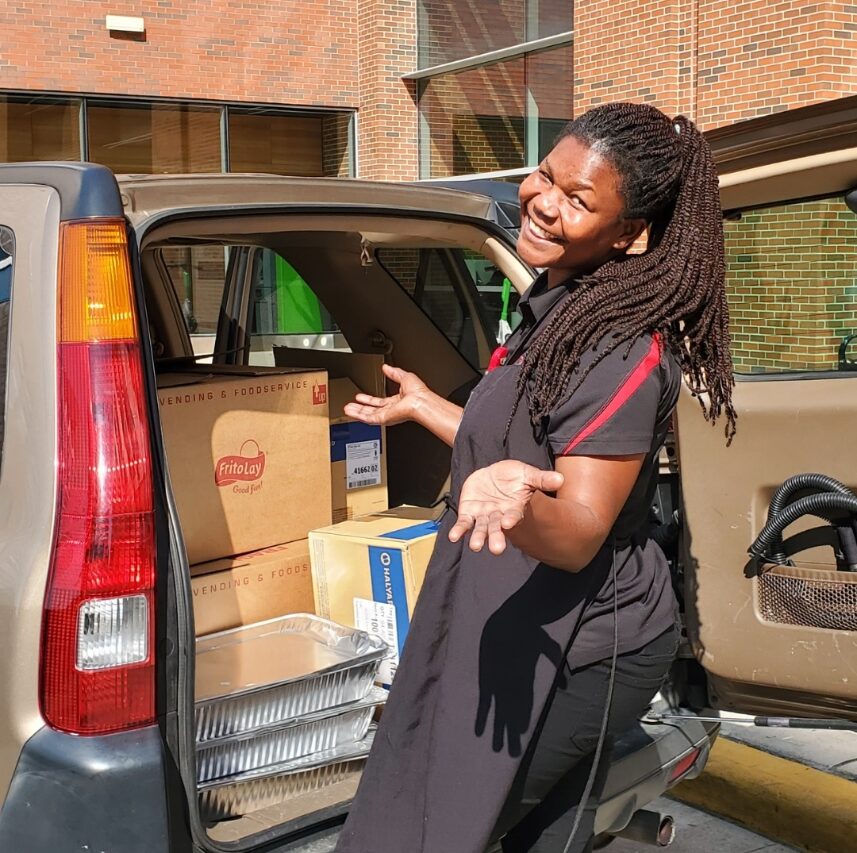
Kate: Every site is unique, and I give great credit to the site directors who know their audience and know what works for their program. Here in Washington DC one of the things we do, which is unique, is rescue a lot of corporate cafeteria food – prepared food. We are nimble because we use our own cars, trucks, vans, and sometimes bikes. This allows us to pick up the food and drop it off at a location that can serve it within 10 minutes or so. I make a point of ensuring that those prepared food rescues have a very short pickup-to-drop-off time. It opened up a whole new world for us, with all the amazing food providers at cafeterias, who are truly grateful that they no longer have to waste food.
Q: What motivates you to do this work?
Kate: I think the most rewarding thing about being a site director for Food Rescue US is knowing the impact that we have and seeing the difference we make in a community. And hearing from people, our agencies, and our volunteers, who will call and say, ‘I’m so grateful that I just got the opportunity to do what I did.’ And I mean, how do you beat that? And the donors, the agencies, everybody’s grateful. It’s like a triad of people who are happy to be out there getting this work done. So impact is what keeps me going.
As we know, there have been shifts in the economy, as well as in some USDA programs, such as SNAP, among others. The thing about Food Rescue US is that those changes don’t really impact our work other than increasing the need for it. The food that we rescue is food that is available in the DC area. We just need to connect with businesses with surplus food, rescue it, and make sure that instead of going to waste, it goes to people.



Q: What does your typical day look like?
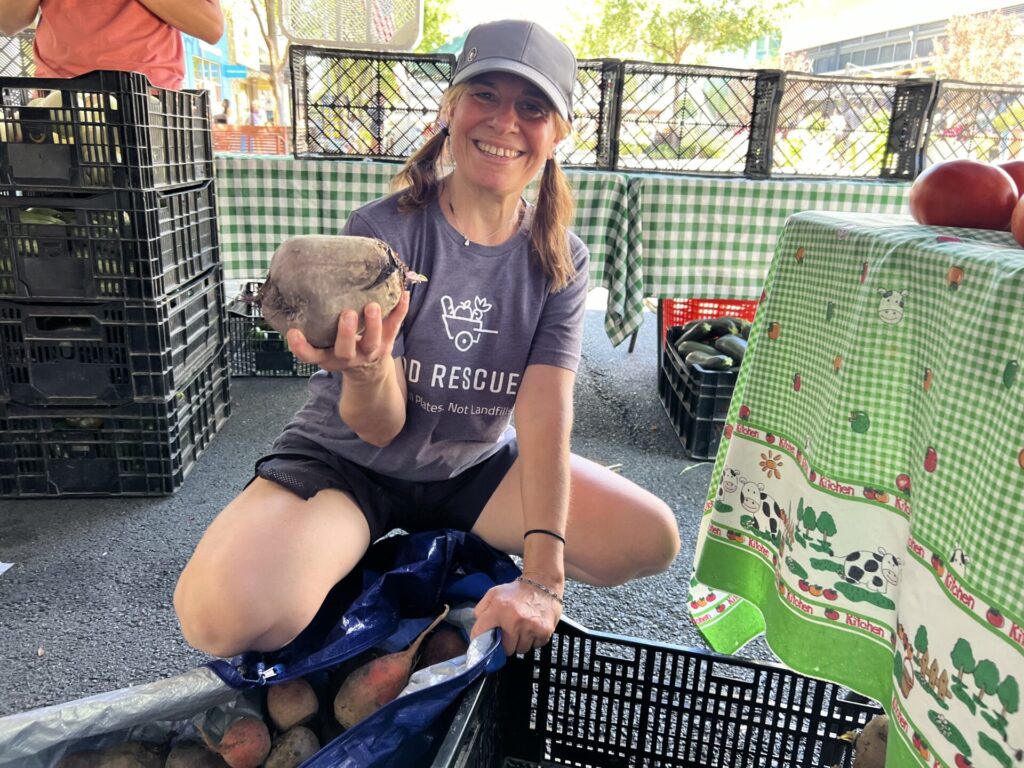
Kate: A typical day starts with checking the app each morning to make sure all rescues are covered—and if they’re not, either Eva, my site coordinator, or I will step in to make sure nothing gets dropped. Beyond that, we are working on development and fundraising efforts. We’ve built strong relationships over the years, and that personal connection is often what leads to funding support. Right now, we’re in the middle of organizing our annual September event, which takes a lot of planning but brings our community together in a meaningful way.
We keep our social media active to raise awareness, celebrate partners and volunteers, and connect with new audiences.
We’re always looking to build new partnerships and onboard new food donors, while nurturing the ones we already have. We also make time to connect with our volunteers, answer their questions, and ensure they feel appreciated.
It’s all about maintaining ongoing communication and ensuring that our volunteers, agencies, and donors feel supported.
What is your advice to people interested in starting a Food Rescue US site in their community?
Kate: If you have one food donor, one soup kitchen or pantry that could accept the food, and a couple of volunteers willing to be the first ones to do food rescue, you’ve got the makings of a program. It starts off slow, and before you know it, the word gets out through a good news piece or word of mouth, especially when people see the impact.
When I started Food Rescue US -DC in 2016, the national operation was smaller. Now, there’s a great onboarding toolkit and strong support from the national team, which makes a big difference.
Are you curious about starting a food rescue program in your own community?
Note: Food Rescue US – DC is one of our largest sites based on meals served. Site operations vary widely in size by location.